

Indian players in overseas leagues: how Big Bash and CPL performances impact their IPL chances
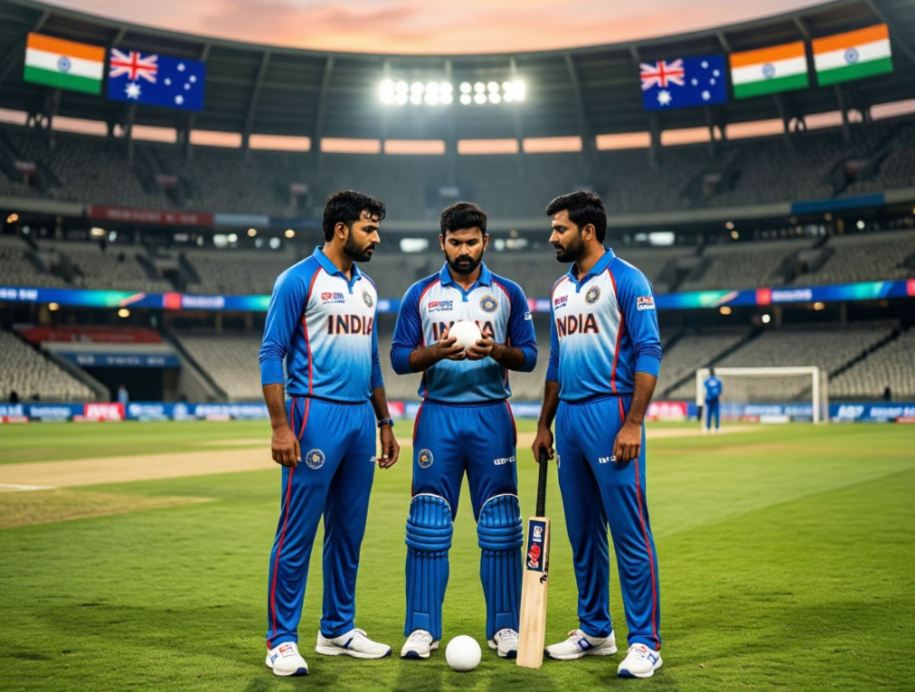
The modern cricketer operates in a borderless world of franchise tournaments, yet one tournament remains the ultimate financial and sporting destination: the Indian Premier League. While international superstars flock to India every spring, the outward flow of domestic talent is heavily restricted. Despite these strict barriers, a select group of Indian players—ranging from trailblazing women cricketers to ambitious domestic veterans—have found their way into leagues like the Big Bash League in Australia and the Caribbean Premier League. These overseas campaigns are far from casual excursions; they serve as high-stakes proving grounds that directly influence how franchises evaluate talent for the high-pressure IPL stage.
The regulatory landscape of Indian cricket
The relationship between Indian cricketers and foreign T20 leagues is dictated by the strict regulatory framework of the Board of Control for Cricket in India. To preserve the exclusivity and dominance of the IPL, the governing body denies active, contracted male players the permission to participate in rival overseas tournaments. This policy creates a unique ecosystem where only retired veterans, players who have officially severed ties with Indian domestic cricket, and women cricketers are granted the necessary clearances. Consequently, the performances of these players in foreign conditions carry a different kind of weight, serving either as a showcase of enduring fitness for veterans or as a launchpad for younger talents looking to catch the eye of global scouts.
Tactical gains from foreign conditions
Adapting to different environments is the ultimate test of a cricketer’s technical resilience and mental fortitude. Indian domestic cricket, played largely on low-bouncing, spin-friendly pitches, does not always prepare players for the diverse challenges of global cricket. Spending a season in the southern hemisphere or the Caribbean basin forces a dramatic evolution in a player’s tactical approach.
Exposure to these contrasting environments yields several critical developmental advantages:
- navigating the steep bounce and rapid pace of Australian wickets in the Big Bash League
- deciphering the slow, spin-friendly, and often unpredictable tracks of the Caribbean islands
- developing tactical versatility by playing against world-class international stars not frequently seen in Indian domestic cricket
- mastering the pressure of playing as an overseas professional, which carries immense expectations of match-winning performances
- honing specific T20 skills, such as death bowling or power-hitting, in highly competitive game situations
Experiencing these varied conditions forces players to expand their tactical playbooks beyond the familiar pitches of the subcontinent. When an IPL franchise looks to build a squad capable of winning away games on contrasting wickets, a player who has proven their mettle in Hobart or Trinidad becomes an incredibly attractive asset. This versatile skillset often translates directly into higher auction bids and more secure roles within IPL starting elevens.
Bridging the gap through global franchise networks
The modern T20 landscape is increasingly defined by multi-league ownership groups that manage franchises across several continents. Many prominent IPL team owners have acquired sister franchises in the Caribbean Premier League, South Africa’s SA20, and the United Arab Emirates’ ILT20, creating a highly organized global scouting network.
These corporate structures have streamlined the pathway for players to transition between different T20 environments under the same organizational banner.
| Overseas team | IPL sister franchise | Scouting focus | Primary developmental benefit |
|---|---|---|---|
| Trinbago Knight Riders | kolkata knight riders | spin bowling and power-hitting | exposure to slow, turning pitches |
| Barbados Royals | rajasthan royals | top-order stability and pace | adaptation to varied bounce |
| Saint Lucia Kings | punjab kings | death bowling and all-rounders | handling high-pressure match situations |
This structural synergy allows coaching staffs and analytical teams to monitor player development in real time without relying solely on secondary video footage. A strong showing for a Caribbean affiliate provides a direct, data-backed recommendation to the parent IPL franchise, making the transition during auction strategy sessions seamless and highly calculated. Consequently, players who perform well within these sister franchises often find themselves fast-tracked into the IPL pipeline.
The women’s game and the WPL revolution
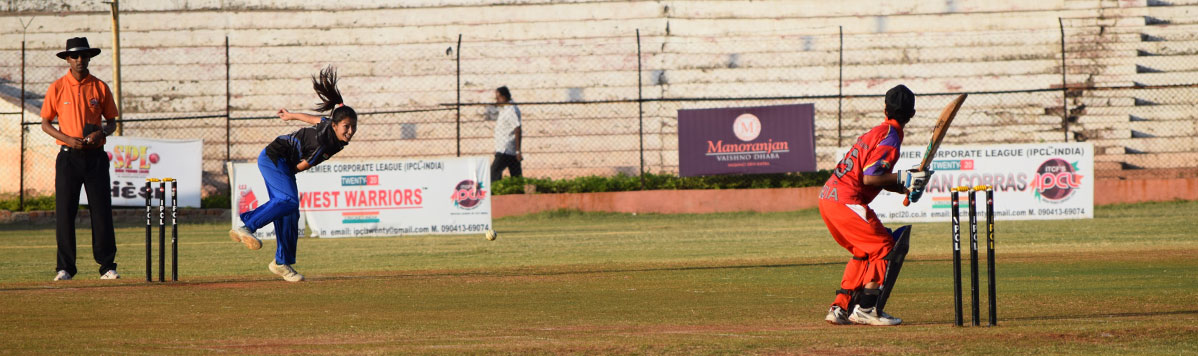
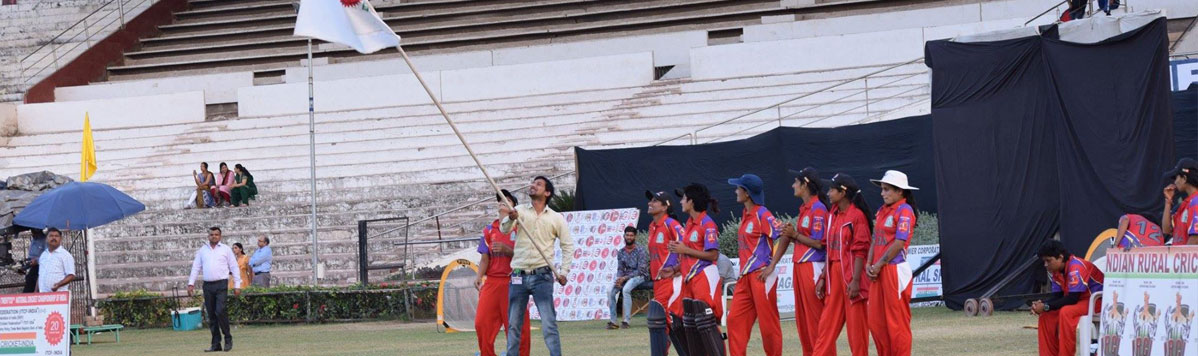
While male cricketers face strict barriers, Indian women cricketers have enjoyed the freedom to participate in prestigious leagues like the Women’s Big Bash League in Australia and The Hundred in England. This open-door policy has played a monumental role in accelerating the growth of the women’s game in India, culminating in the launch of the Women’s Premier League.
The introduction of the WPL has transformed how foreign league performances are valued by scouts:
- Proving match-winning capabilities on the global stage under immense media and fan scrutiny
- Building psychological resilience by adapting to foreign dressing rooms and diverse team strategies
- establishing a statistical track record against elite international bowlers in leagues like the WBBL
- howcasing leadership qualities that make them viable captaincy candidates for new franchises
These factors combined have turned tournaments like the WBBL into direct feeders for the WPL. The data collected from these overseas matches provides a highly reliable metric for Indian franchises looking to invest millions of rupees in marquee players who can handle the intense pressure of a televised tournament. For the players, a successful stint in Australia or England is often the single biggest driver of a life-changing contract in the WPL auction.
The comeback route for veterans and domestic outcasts
For retired Indian male players or those who have chosen to play overseas, tournaments like the CPL offer a vital lifeline to maintain competitive match fitness. Instead of fading into obscurity, these veterans use foreign leagues to demonstrate that their skills have not diminished with age. A stellar performance in a foreign league keeps a player’s name in the active consciousness of the cricketing world, which often leads to lucrative opportunities back home. Even if a return to the IPL as an active player is statistically rare for older athletes, these overseas stints frequently open doors to coaching, mentoring, or scouting roles within the massive IPL ecosystem, proving that the value of global cricket experience extends far beyond the boundary ropes.