


Strategy of spin bowling dominance on dry pitches during the latter half of the WPL season
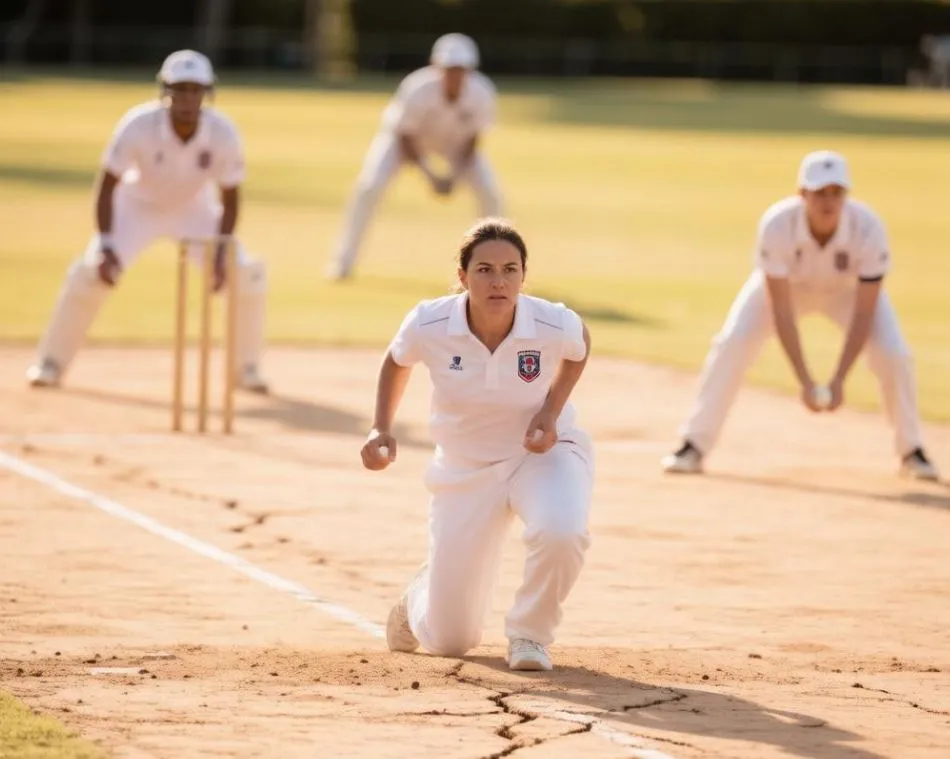
As a multi-week tournament progresses, the intense heat and heavy usage of a limited number of venues take a massive toll on the square. What begins as a paradise for stroke players and fast bowlers gradually morphs into a battlefield where speed becomes a liability and flighted deliveries turn into lethal weapons. Adapting to these changing surfaces is the hallmark of championship-winning teams, shifting the balance of power on the field.
The physical transformation of wickets in the tournament’s second half
Understanding the physical degradation of the turf is essential to predicting how a match will unfold. When multiple matches are played on the same block of wickets within a short timeframe, the clay structure deteriorates rapidly. This wearing out manifests in several distinct physical behaviors that directly favor slow bowling:
- abrasion of the topsoil: the grass cover disappears entirely, exposing bare clay that crumbles under footmarks.
- widening of surface cracks: intense sub-continental heat causes the soil to contract, creating micro-fissures that alter ball behavior.
- increased friction: the rough surface grips the leather seam, drastically reducing the speed of the ball after bouncing.
- inconsistent low bounce: as the pitch loses its firmness, deliveries tend to shoot low or grip, making horizontal-bat shots highly risky.
These changing conditions mean that batters can no longer rely on the true bounce and pace of the wicket to hit through the line. Consequently, teams must pivot their tactical approach, placing a heavier reliance on the slower bowlers to choke the opposition’s scoring rate. This is where the tactical shift toward wpl pitches spin dominance becomes the defining narrative of the tournament’s business end.
Statistical superiority of slow bowlers over pacers
The transition from fast bowling supremacy to slow bowling control is not just an eye-test phenomenon; it is backed by hard analytical data. During the opening matches, pacers who can swing the ball find ample success under the lights, but their effectiveness drops sharply as the tournament enters its final weeks. To illustrate this shift, we can analyze the comparative performance data of different bowling styles during the two distinct halves of the tournament.
| Bowling metric | Pacers (early season) | Pacers (late season) | Spinners (early season) | Spinners (late season) |
|---|---|---|---|---|
| Average economy rate | 7.85 | 9.40 | 7.20 | 6.45 |
| Strike rate (balls/wicket) | 21.3 | 28.5 | 22.1 | 16.8 |
| Dot ball percentage | 38.5% | 30.2% | 41.0% | 48.7% |
| Boundary percentage | 14.8% | 19.5% | 12.3% | 8.2% |
The dramatic drop in the economy rate of slow bowlers in the latter half highlight how dry wickets nullify the raw pace of fast bowlers, who often find their deliveries disappearing over the boundary when there is no movement. Conversely, women premier league spinners thrive because they can drop the ball into the rough patches created by the bowlers’ follow-throughs, extracting sharp turn and unpredictable bounce.
Tactical blueprints for captains defending totals on dry tracks
Succeeding under these circumstances requires more than just throwing the ball to a slow bowler; it demands a highly calculated spin bowling strategy wpl that exploits every weakness in the batter’s technique. Captains must work in perfect harmony with their slow bowlers, adjusting fields and utilizing matchups with extreme precision. The most successful leadership groups follow a specific set of tactical rules when defending targets on worn-out surfaces:
- Deploying spin in the powerplay: introducing a finger spinner in the first six overs to deny batters any early momentum.
- Squeezing the mid-wicket region: employing protection on the leg side to counter sweep shots, which batters use to neutralize spin.
- Altering delivery speeds: instructing bowlers to bowl slightly slower through the air, allowing the ball to spend more time gripping the surface.
- Creating rough footmark targets: positioning fielders to encourage bowlers to target the wear left by the pacers.
By executing these tactics, defensive units can easily dry up the boundaries, forcing frustrated batters into playing high-risk lofted shots against the spin. This choking effect is highly effective, turning low-scoring games into thrilling tactical chess matches.
Ultimately, the evolution of playing conditions ensures that the champion team is always the one that adapts fastest to the changing environment. As the grass disappears and the clay crumbles, the flashy fast-bowling displays make way for the subtle, intellectual art of slow bowling. Navigating this transition successfully requires a deep understanding of pitch wear, accurate data analysis, and brave captaincy. In the end, those who master the dry, turning wickets are the ones who lift the trophy.