

Structure of inter-school T20 tournaments as the primary pipeline for state junior squads
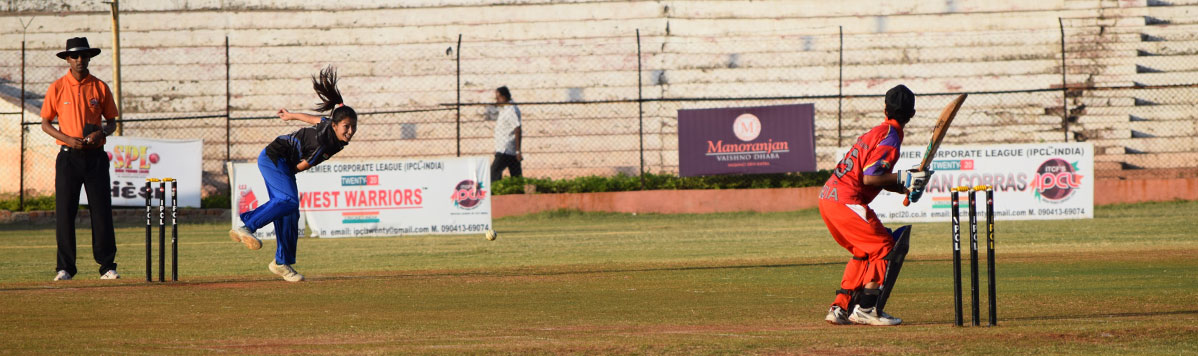
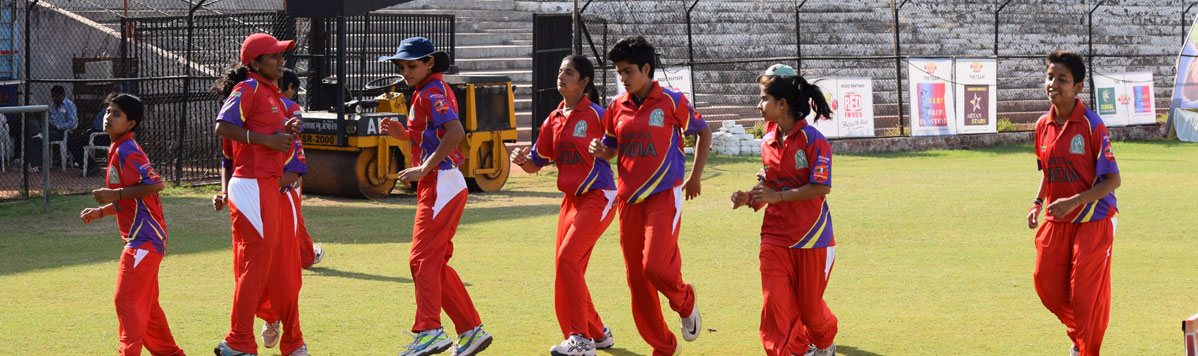
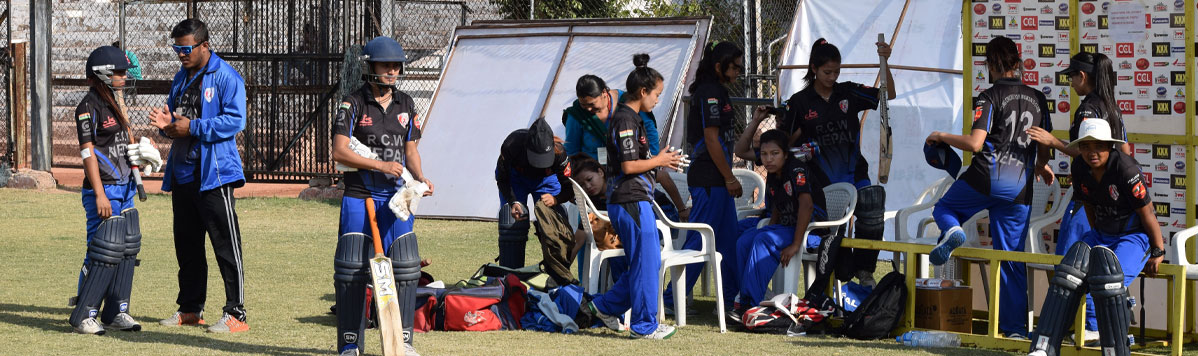
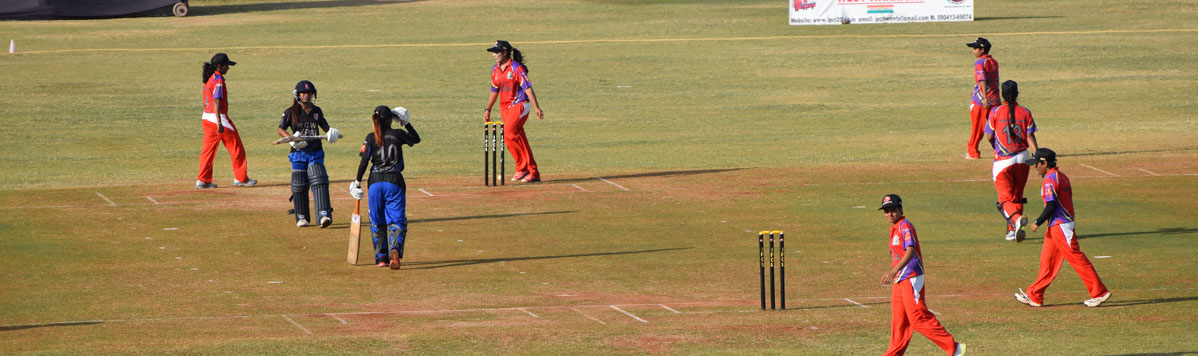
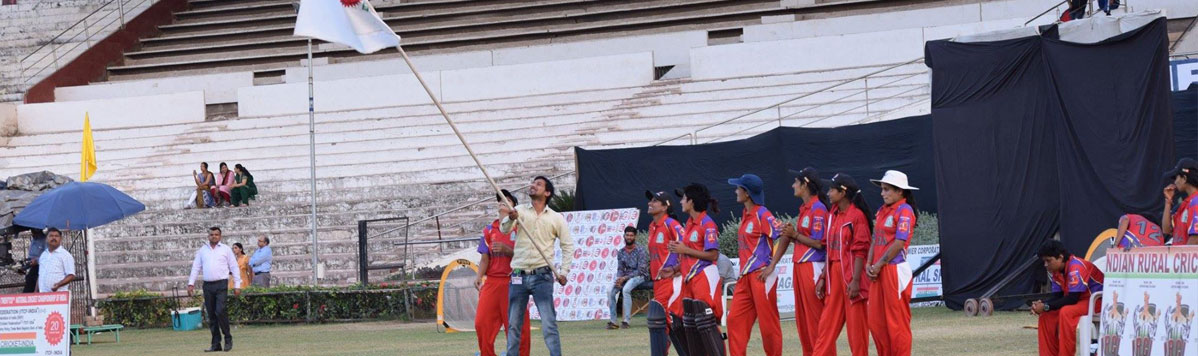
The journey of a professional athlete often begins far from the bright lights of international stadiums, taking root instead in the noisy, chaotic playgrounds of local schools. In India, where cricket has long been a male-dominated passion, a quiet shift is taking place as school boards and regional sports authorities establish structured girls’ divisions. This foundational level of play is no longer just a recreational activity; it is a highly organized talent incubator. By focusing on mass participation in early adolescence, sports administrators are building a reliable pathway that feeds talent directly into competitive junior squads, transforming the landscape of the sport from the ground up.
The administrative framework of regional school tournaments
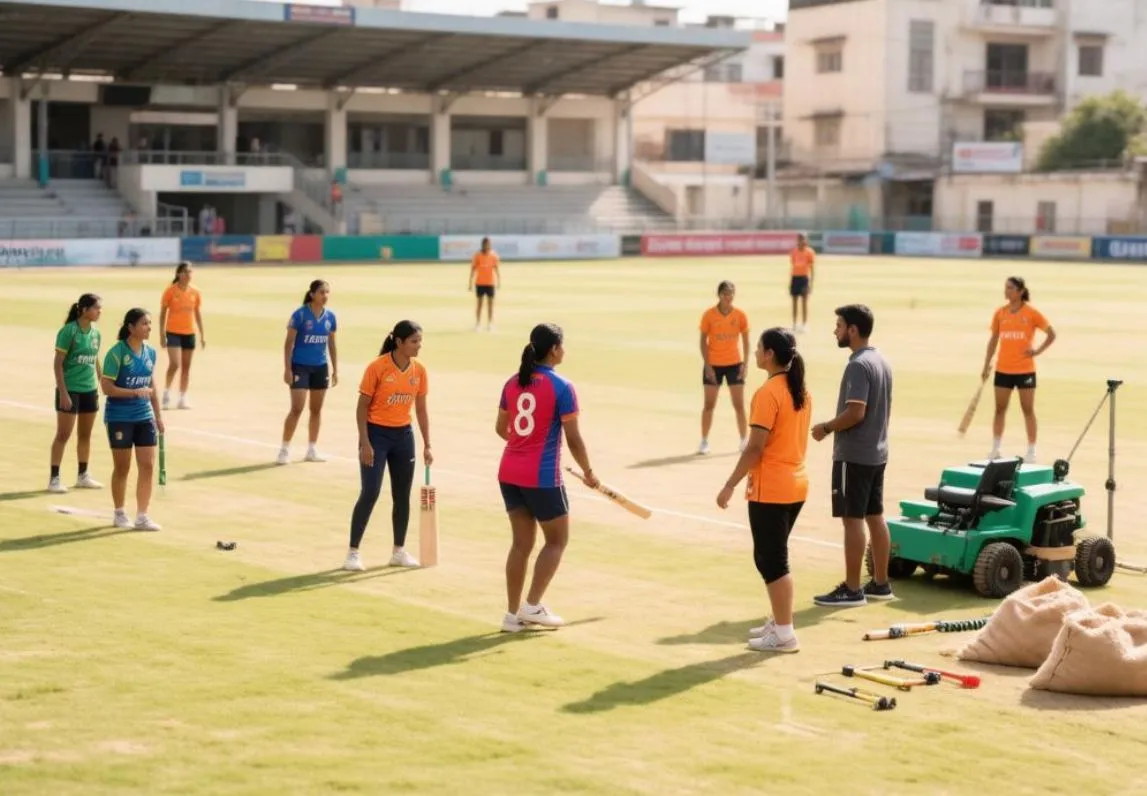
To convert raw physical potential into structured athletic performance, regional boards have established a highly systematized competitive path. This system guarantees that any young girl with a passion for the sport can progress from recreational playground play to organized, competitive matches through a simple and accessible registration process.
- Simplified school sports registration: streamlining online sign-ups to allow government and private schools to register their girls’ teams with zero fees.
- Localized cluster matches: dividing districts into smaller geographical zones to minimize travel times and lodging costs for young squads.
- Knockout division rounds: advancing the top two teams from each cluster to a centralized district tournament to face tougher competition.
- State-wide finals: hosting the final championship matches at official state association stadiums with professional umpiring and live coverage.
This progressive competition layout ensures that the tournament remains highly inclusive, allowing even the most remote schools to showcase their talent. By systematically narrowing down the field of competitors, regional boards can easily identify the top-performing school squads for further technical training.
Connecting grassroots coaches with elite state scouts
The success of the school-level system depends heavily on a seamless transition path from local matches to the elite state academy level. While physical talent is easily spotted, scouts evaluate young girls against a set of highly standardized benchmarks to determine their readiness for professional training.
| Technical parameter | School competition level | State junior squad standard | Development action required |
|---|---|---|---|
| Batting strike rate | 80 – 100 on concrete/dirt | 110+ on turf wickets | transition to playing on natural grass |
| Bowling accuracy | inconsistent line and length | consistent landing in target zones | specialized coaching on wrist position |
| Fielding agility | basic catch-and-throw reactions | rapid run-outs and dive stops | core strength and sprint conditioning |
| Mental resilience | basic understanding of match play | tactical focus under pressure | sports psychology and scenario training |
Comparing these athletic performance metrics helps local physical education teachers adjust their daily training programs to match national standards. It ensures that when a girl is selected for a state-level camp, she does not face an overwhelming technical or physical barrier.
Mass school participation as the cornerstone of the sports pyramid
Creating a highly competitive national team is impossible without a massive foundation of active participants at the lowest levels of the sport. A widespread school level cricket tournament network does not just find future stars: it creates a healthy sports culture that changes societal views on women’s athletic careers.
- broadening the selection pool: engaging thousands of girls at an early age to ensure that unique, natural talent is never missed.
- normalizing female sports: encouraging daily physical activity and competitive play to dismantle traditional gender stereotypes in rural communities.
- building local coaching networks: training physical education teachers to identify athletic potential and teach correct fundamental techniques.
- improving overall physical fitness: raising the baseline health and athleticism of young girls across both urban and rural schools.
These cumulative community benefits prove that investing in mass school sports is the most sustainable way to secure the future of the game. When a sports program focuses on wide-scale participation, the elite results follow naturally as the entire standard of play rises.
Ultimately, the development of a highly integrated tournament system has revolutionized the transition from school level cricket tournament matches to junior women cricket india selection camps. By providing young girls with early exposure to structured play, competitive pressure, and professional scouting networks, India is securing its position as a global sports powerhouse. As more schools initiate the school sports registration process, the talent pool will continue to expand, ensuring that the dreams of young athletes are backed by a robust, supportive pathway to the very top.