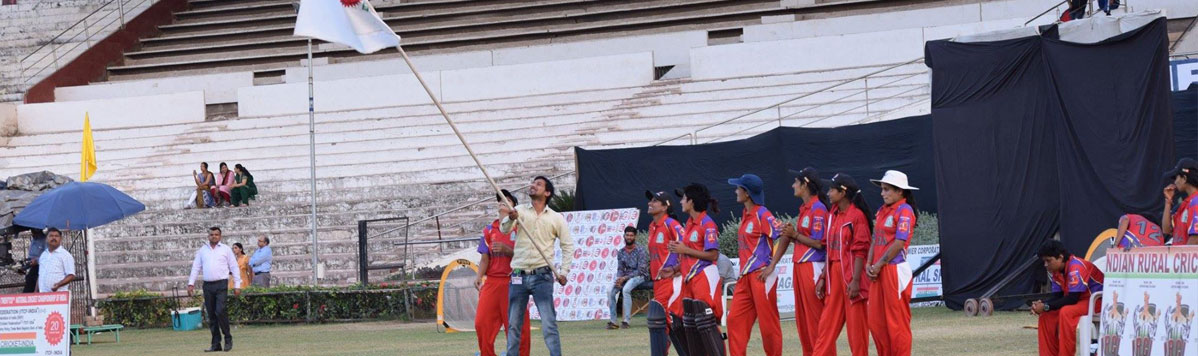


Tactical innovations in the Senior Women T20 Trophy and their adoption by state associations
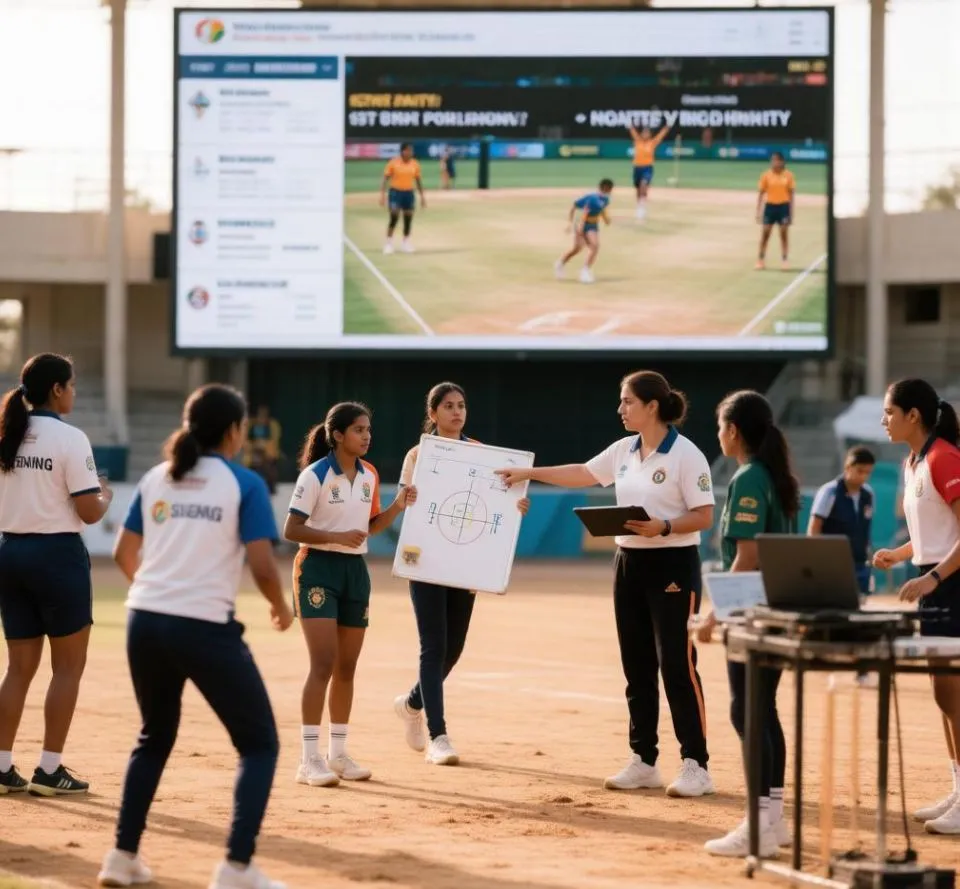
The landscape of domestic cricket has undergone a massive transformation, shifting from a quiet proving ground to a fast-paced laboratory of modern sports tactics. At the heart of this evolution is India’s premier domestic tournament, which serves as the ultimate breeding ground for the next generation of international athletes. As the demand for high-scoring, entertaining cricket rises, state teams are forced to abandon conservative, traditional methods. Regional associations are now operating like professional franchises, implementing advanced tactical systems and data-driven strategies to give their players a competitive edge on the national stage.
The rise of hyper-aggressive scoring systems
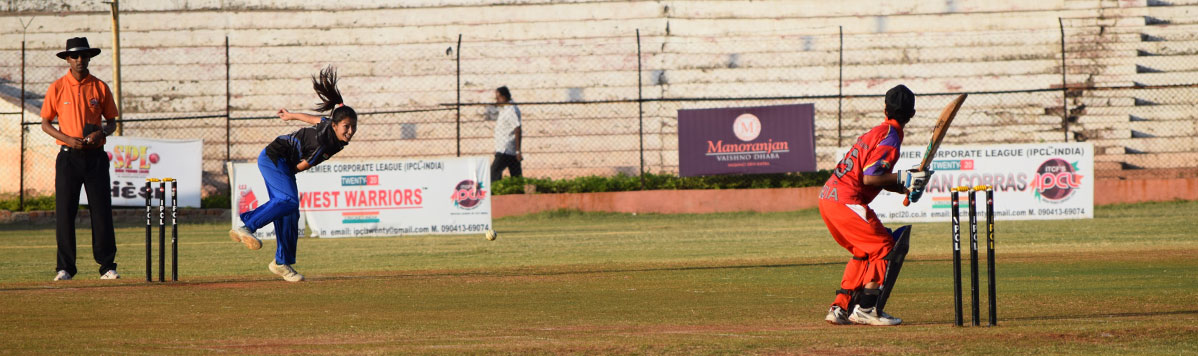
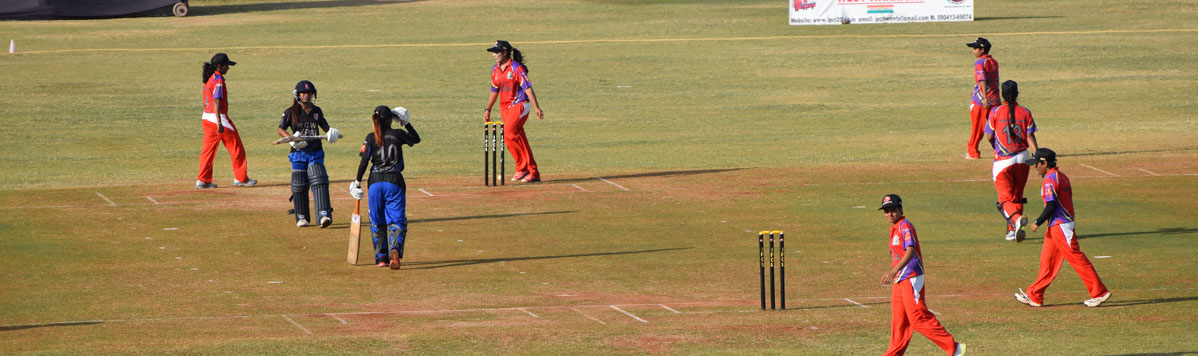
The modernization of playing styles is driven by a conscious effort to align domestic standards with global trends. State coaches are actively instructing players to abandon conservative accumulation in favor of immediate pressure-building tactics. This philosophical shift has changed how teams construct their innings, especially during the crucial early overs of a match.
To achieve these ambitious scoring targets, coaching staffs have introduced several modern tactical pillars into their daily preparation. These principles guide the players’ decision-making processes from the very first delivery:
- powerplay maximization: opening batters are encouraged to clear the infield within the first six overs to maximize the field restrictions.
- running intensity: turning single runs into twos to keep the scoreboard ticking and put physical pressure on outfielders during the middle overs.
- boundary targeting: identifying specific fielders and targeting shorter boundaries based on wind direction and bowling angles.
- matchup-based batting orders: promoting pinch-hitters up the order when spin is introduced early in the innings.
These modern tactical metrics show a clear departure from traditional long-format methods. By prioritizing high-tempo cricket, local teams are preparing their players to meet the aggressive demands of franchise tournaments and international matches. Consequently, the standard of indian domestic women cricket has risen dramatically, creating a far more entertaining and competitive product.
Comparing state association philosophies and performance metrics
Looking at how different state associations implement these ideas reveals a fascinating variety of tactical philosophies. Each region tailors its strategy to the unique strengths of its local player pool, resulting in diverse on-field matchups. Some associations prioritize raw batting power, while others focus on defensive choke strategies using high-quality spin bowling.
The following matrix illustrates how various regional governing bodies have structured their team identities to maximize success in the premier state cricket tournament.
| State association | Core tactical philosophy | Key development focus | Run rate trend (last 3 seasons) |
|---|---|---|---|
| Mumbai | aggressive batting depth | power hitting in middle overs | steady upward trajectory |
| Delhi | high-intensity bowling | defensive spin variations | highly stable |
| Karnataka | versatile all-rounders | athletic fielding and running | moderate increase |
| Railways | tactical control and safety | spin choking in powerplay | consistently high |
This statistical breakdown highlights how state teams have moved away from one-size-fits-all game plans. The focus has shifted from merely winning matches to nurturing specific skill sets that match the high-intensity environment of national team selection. As these regional associations continue to refine their identities, the overall depth of the talent pool increases, directly benefiting the senior national squad.
Preparing the next generation for international pressure
The ultimate success of these tactical experiments is measured by how effectively they bridge the gap between regional cricket and international matches. National selectors closely monitor these state tournaments to identify players who can seamlessly integrate into the senior national setup. To ensure a smooth transition, regional coaching staffs have began replicating the high-pressure environments of international cricket.
The pathway from regional dominance to national selection has been highly systematized through a series of progressive developmental steps:
- Simulation of high-pressure match scenarios during state selection camps to build mental resilience.
- Integration of GPS tracking and biometric analysis during active play to monitor physical workloads.
- Mandatory tactical feedback loops between state coaches and national selectors to align development goals.
- Exposure to diverse pitch conditions across different geographical clusters to test adaptability.
Implementing these professional standards ensures that when a young domestic player is called up to the national camp, she is already familiar with elite sports science and complex tactical analysis. This alignment of domestic and international systems is what makes India a rising powerhouse in the women’s game.
In the end, the evolution of the senior womens t20 trophy has redefined the parameters of success in the domestic game. It is no longer enough for a player to simply score runs or take wickets; they must do so within a highly sophisticated, tactical framework. As state associations continue to push the boundaries of innovation, the tournament will remain the cornerstone of player development, ensuring that the pipeline of talent remains both robust and highly adaptive to the demands of the modern sport.