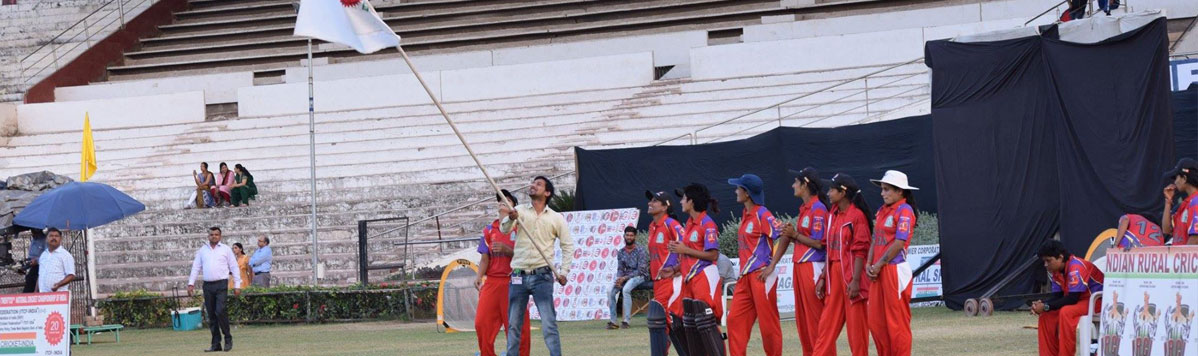


Upgradation of turf wicket facilities in tier-2 and tier-3 Indian cities for women grassroots cricket
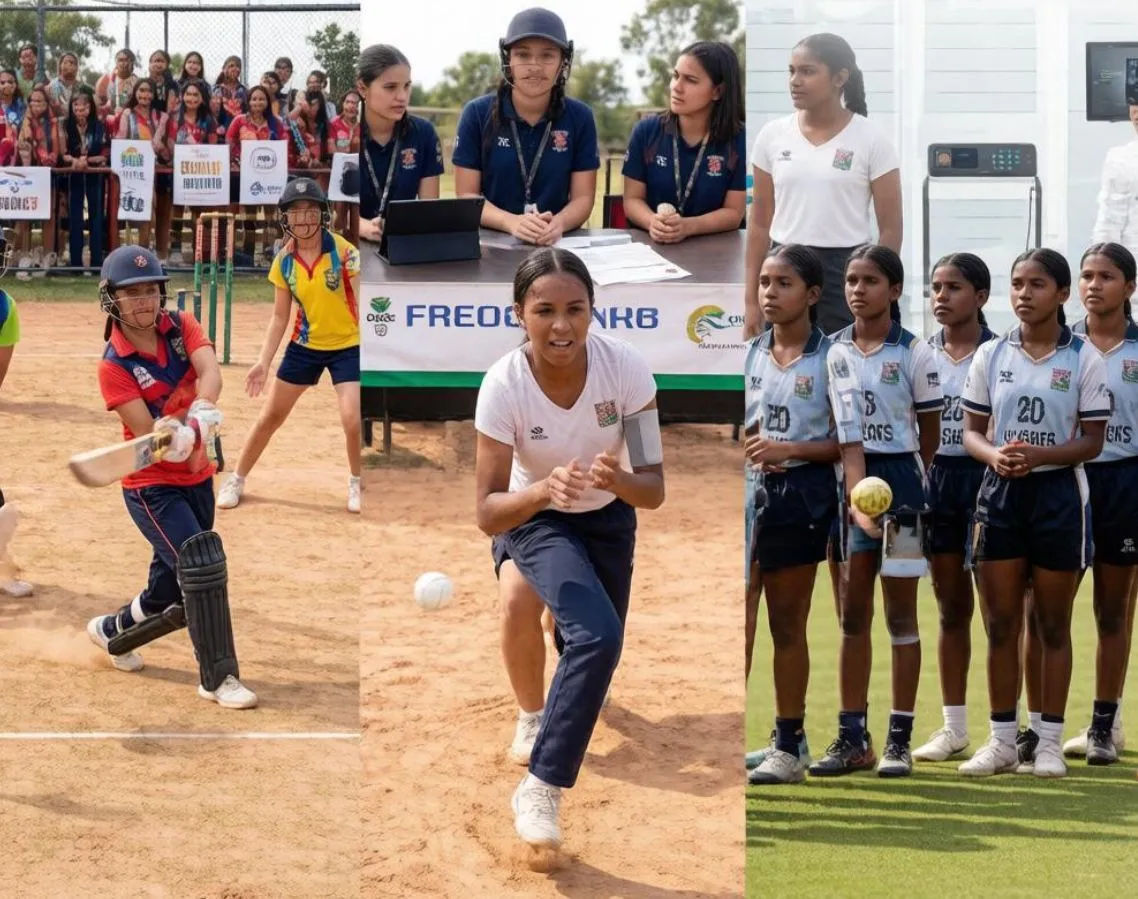
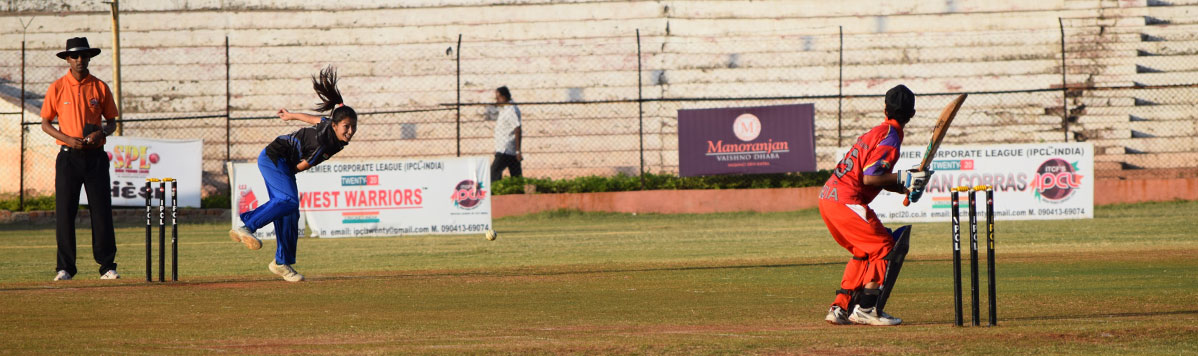
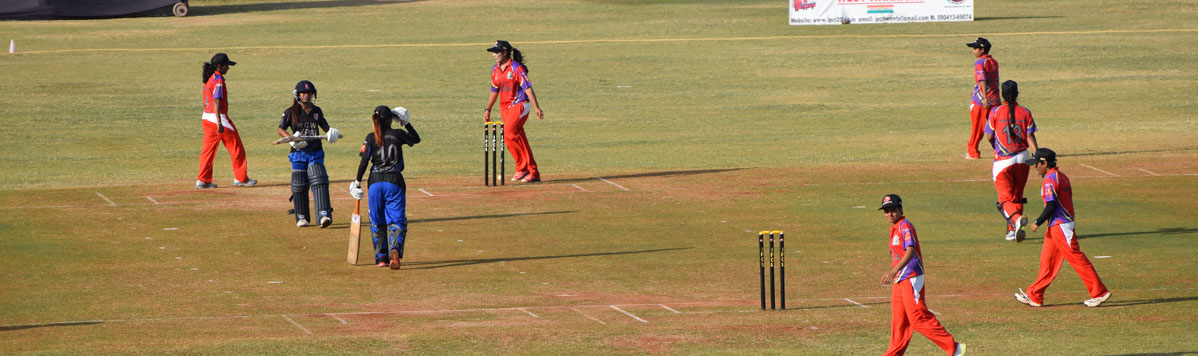
For generations, the dreams of young female cricketers in India’s smaller towns were shaped on concrete patches, uneven dirt fields, and rough coir matting. While metro cities boasted lush green outfields and internationally standard clay pitches, girls in tier-2 and tier-3 locations had to adapt their natural playing styles to unpredictable bounce and hazardous surfaces. This infrastructural divide did not just limit their comfort: it fundamentally altered their physical techniques, making transition to professional academies incredibly difficult. A massive nationwide initiative to replace these outdated playing surfaces with professional grass pitches is finally leveling the playing field, ensuring that geographical location no longer dictates an athlete’s technical ceiling.
The developmental shift from matting to natural grass
Historically, the reliance on artificial matting or concrete tracks in grassroots cricket development india was a matter of sheer survival and cost-saving for regional clubs. Matting pitches, typically made of jute or coir stretched over a hard soil base, create a highly artificial playing environment. On these surfaces, the ball behaves with exaggerated bounce and predictable pace, which teaches young batters to play predominantly on the back foot. When these same players migrate to professional turf wickets women cricket, they find themselves completely lost against the subtle lateral movement, natural spin, and lower, variable bounce of real grass.
To bridge this technical gap, state associations have launched extensive renovation programs to convert regional centers into high-quality turf facilities. The transition involves a meticulous engineering process that completely replaces the soil composition of the pitch.
Executing this transition successfully requires a deep understanding of soil science, irrigation, and local weather patterns. Regional curators must systematically implement several critical steps to ensure the new natural surfaces remain durable throughout the grueling domestic season:
- excavation of the existing clay: removing the top layers of loose dirt to create a solid, level foundation.
- importation of specialized black cotton soil: using clay-rich soil that provides the necessary binding properties for consistent bounce.
- installation of advanced sub-surface drainage: laying gravel and perforated pipes to prevent waterlogging during the heavy monsoon months.
- cultivation of professional Bermuda grass: planting wear-resistant grass varieties that can withstand daily spike impact and intense heat.
By establishing these rigorous maintenance standards at the local level, regional academies can guarantee that young athletes train on surfaces that behave exactly like those used in national championships. This consistency allows girls to build reliable muscle memory from their very first day of formal coaching, eliminating the need to unlearn bad habits later in their careers.
Impact of pitch quality on technical skill development
The differences in ball behavior between makeshift practice surfaces and professional natural clay have a profound impact on how a young athlete develops her core cricketing movements. When a young girl trains on a substandard surface, her brain automatically adopts defensive physical compensations to protect her from erratic, dangerous bounce. Analyzing these physical adjustments reveals why upgrading regional facilities is a technical necessity rather than a luxury.
| Pitch type | Ball behavior characteristic | Batting technique developed | Injury risk profile |
|---|---|---|---|
| Concrete/matting track | high, steep bounce with no lateral movement | dominant back-foot play and wild horizontal-bat shots | high impact on knees and lower back |
| Substandard mud pitch | unpredictable low stayers and sudden shooting | tentative front-foot lunging without proper weight transfer | high risk of finger and facial injuries |
| Professional turf wicket | natural seam movement, variable spin, and true bounce | balanced footwork, proper head position, and drive control | minimal joint strain due to natural shock absorption |
The comparative analysis demonstrates that early exposure to natural grass is the single most important factor in developing a biochemically sound batting and bowling action. Girls who learn the game on turf wickets develop a natural ability to play late, transfer their weight forward over the ball, and trust the bounce, which are the exact technical traits required to succeed at the highest levels of professional sports.
Democratizing sports infrastructure across smaller towns
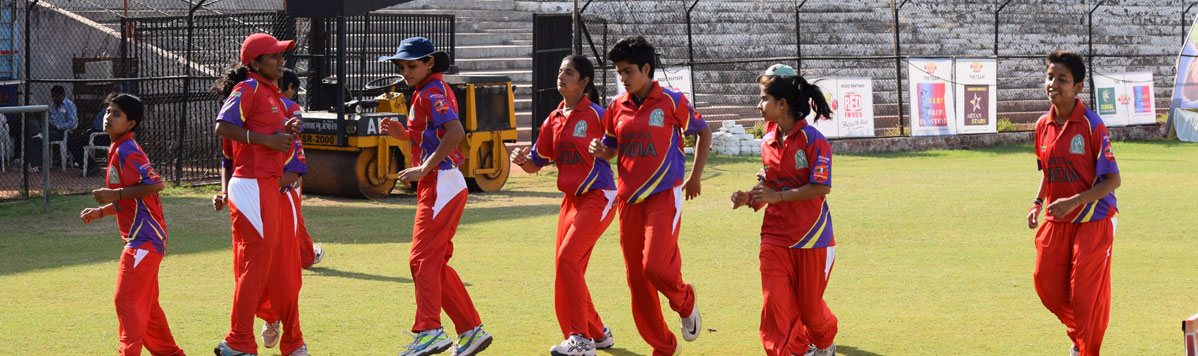
Beyond the purely physical and technical benefits, the expansion of high-quality cricket infrastructure tier 2 cities plays a massive role in changing social perceptions surrounding women’s sports. When local families see professional, green facilities being built in their municipalities, they begin to view sports as a viable, prestigious career path for their daughters. This shift in community perspective has led to an unprecedented surge in registrations at regional development camps.
To maximize the reach of these new facilities, regional sports authorities have designed a comprehensive operational framework that ensures equal access for all young athletes. This system focuses on maximizing utility and maintaining high operational standards:
- Subsidized academy membership: offering free or highly discounted coaching slots for girls coming from economically weaker backgrounds.
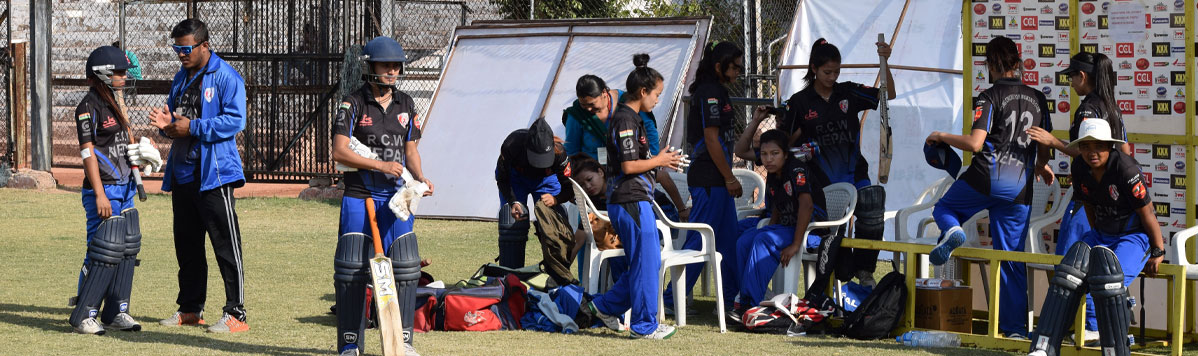
- Centralized equipment libraries: providing high-quality leather balls and protective gear to ensure that no child is excluded due to gear costs.
- Inter-district school tournaments: scheduling regular competitive matches on the new turf wickets to give girls vital match experience.
- Specialized coaching clinics: inviting former international players and certified physical trainers to conduct weekend workshops at tier-3 centers.
These integrated social and athletic programs ensure that the new infrastructure does not become an exclusive playground for the privileged, but rather a community-driven engine for talent development. By removing financial and geographical barriers, India is building a highly inclusive sporting ecosystem that reaches every corner of the nation.
Ultimately, the quiet overhaul of rural and semi-urban playing fields is laying the groundwork for a highly sustainable future in women’s sports. The transition from dusty patches to lush, professionally curated turf wickets represents a massive step forward in the democratization of athletic training. As more tier-2 and tier-3 municipalities receive the funding and technical expertise needed to maintain these elite surfaces, the talent pool will expand exponentially. By investing in the physical foundation of the game at the grassroots level, the nation is ensuring that the next generation of international superstars will rise from the very heart of its smaller towns, fully equipped to dominate the global stage with flawless technique and absolute confidence.