

Path of transition for Under-19 domestic standouts into WPL starting elevens
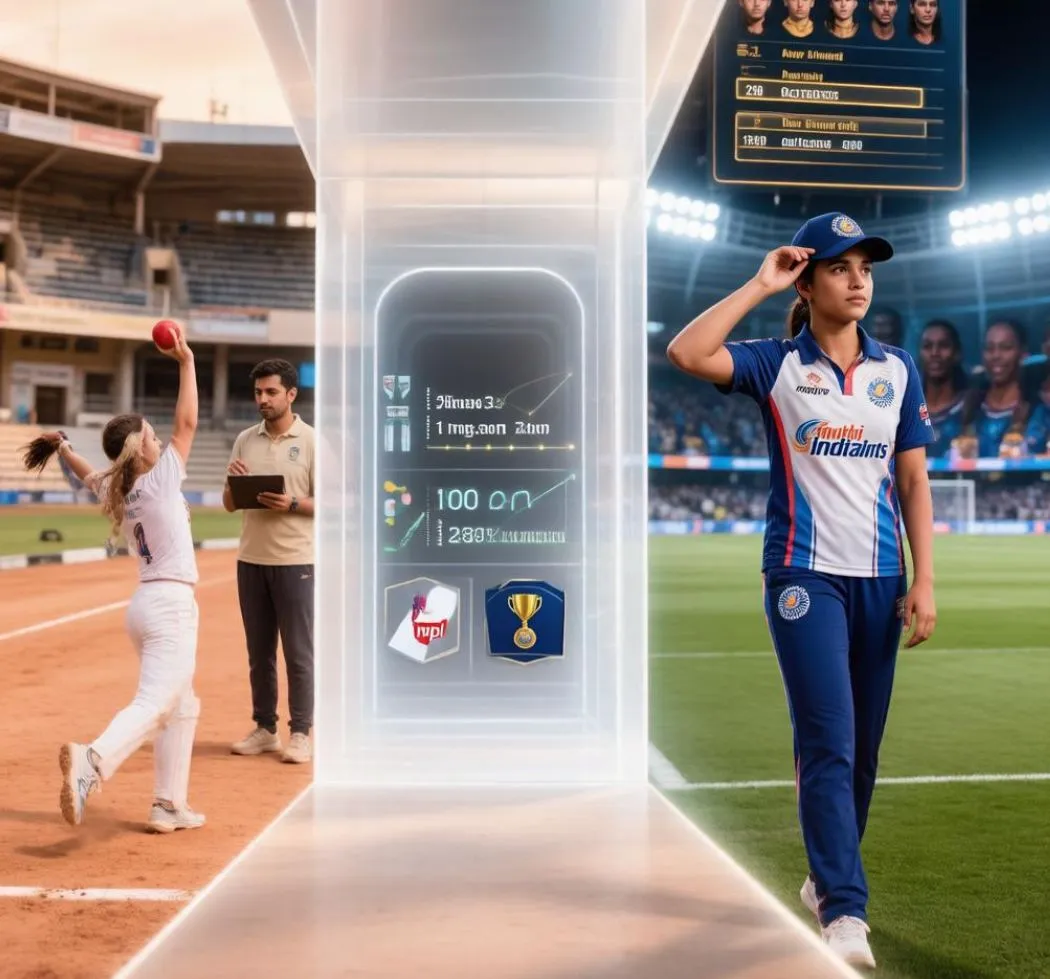
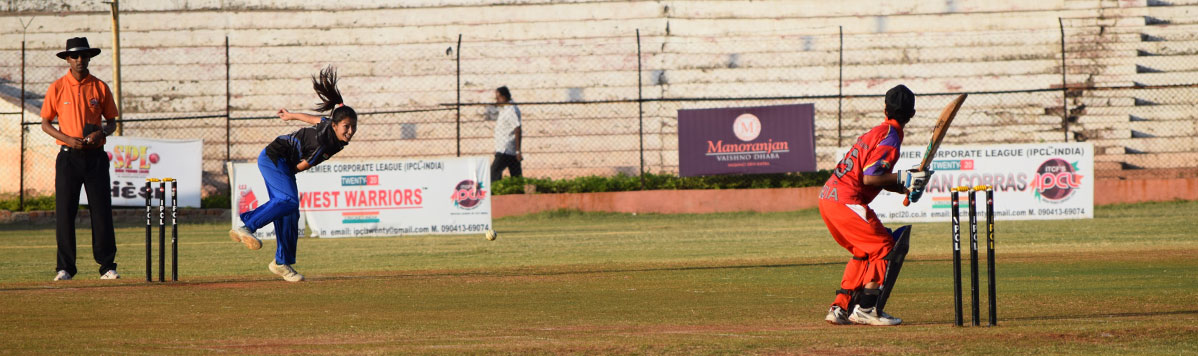
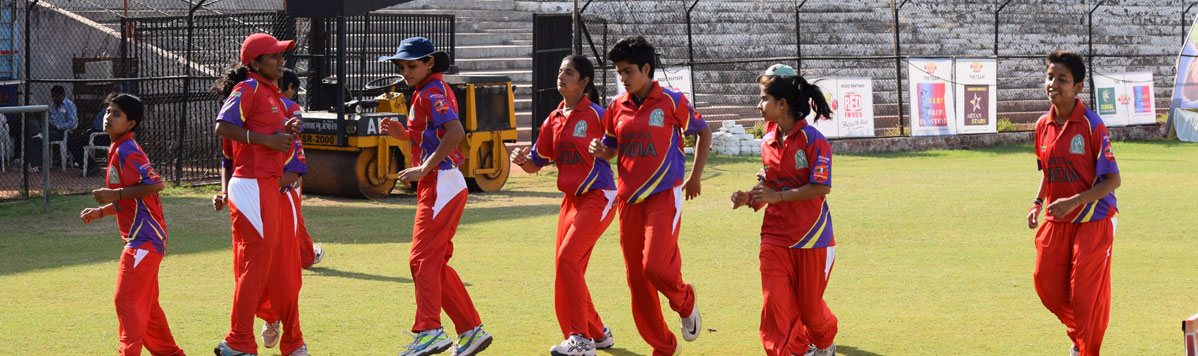
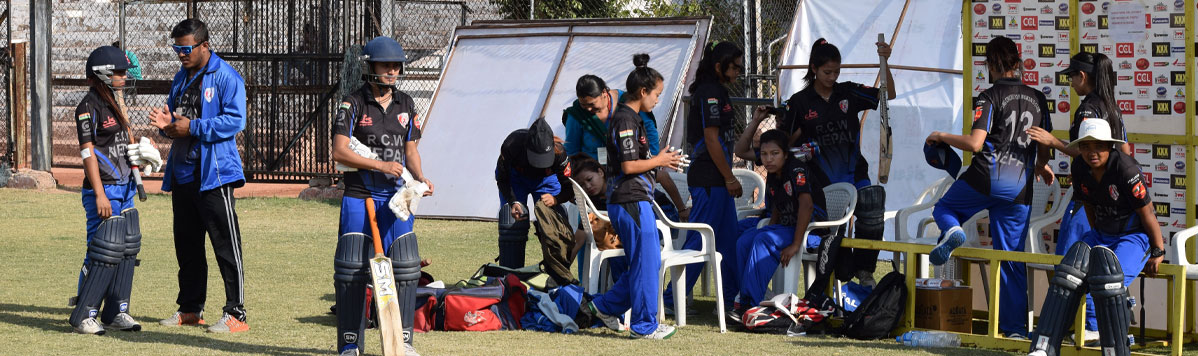
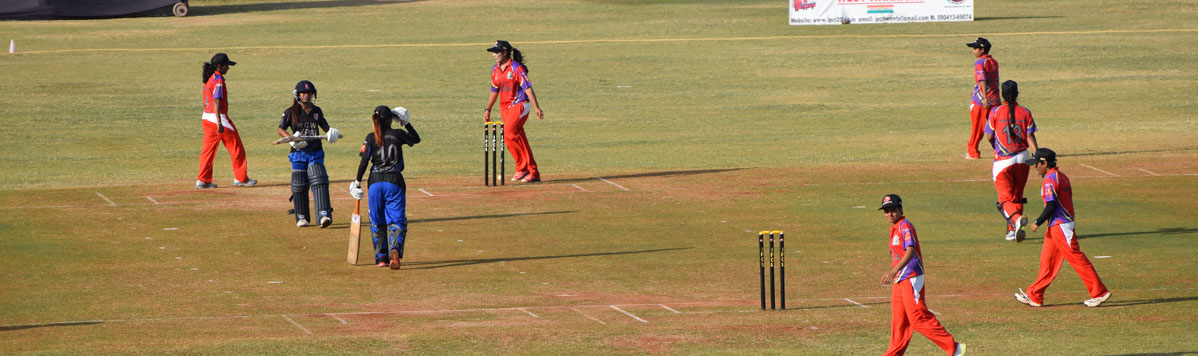
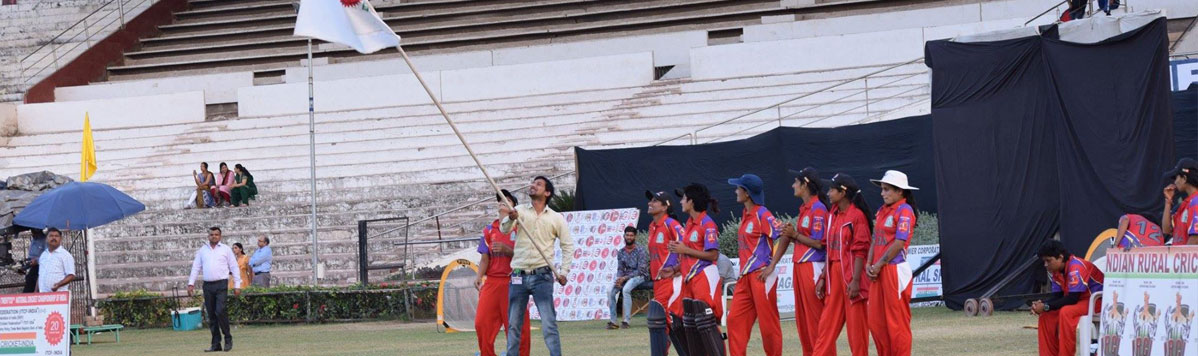
The transition from junior athletic competitions to the absolute pinnacle of professional sports is one of the most daunting phases in an athlete’s development. In the context of Indian cricket, this gap was historically a chasm, where even the most dominant youth players spent years waiting in obscurity for an opportunity at the senior level. However, the introduction of a premium franchise league has created a highly efficient highway that fast-tracks teenage prodigies straight into the global spotlight. For young girls who recently competed in dusty, silent school grounds, the sudden elevation to playing alongside world champions in front of packed stadiums represents a massive shift that tests both their technical skills and mental fortitude.
The strategic avenues of talent identification
Identifying and securing raw teenage talent has become a core priority for franchise management teams aiming to build sustainable, long-term rosters. Rather than waiting for players to mature in the domestic senior circuit, scouts are actively tracking performances at much earlier development stages. This aggressive scouting young talent india strategy relies heavily on two primary pathways:
- International Under-19 tournaments: the inaugural ICC U-19 Women’s T20 World Cup served as a massive platform, allowing franchises to evaluate how young players perform under global tournament conditions.
- Domestic state-level championships: specialized board tournaments, such as the Women’s Under-19 One Day and T20 trophies, provide a continuous stream of performance data.
- Inter-district school games: localized tournaments where raw athletic potential can be spotted before formal academy coaching begins.
By monitoring these diverse pathways, franchises can identify unique skill sets—such as raw bowling pace or natural power hitting—long before these players become household names. This early identification allows teams to secure high-value assets at a fraction of their potential future market cost during the player auctions.
Comparing junior environments with professional league standards
To understand the immense challenge young athletes face during this transition, one must analyze the massive operational gap between junior domestic cricket to wpl standards. The leap is not merely about facing faster bowling or more turning tracks; it involves an entirely different lifestyle, training intensity, and level of public scrutiny.
The following matrix compares the standard operating environments of junior domestic state cricket with the professional demands of a premier franchise tournament.
| Operational metric | Under-19 state tournament | Professional franchise environment |
|---|---|---|
| Playing surfaces | standard turf or matting | internationally certified pitches |
| Training support | basic team coaching | personal batting, bowling, and fitness coaches |
| Sports medicine | basic first aid and physiotherapy | advanced sports science, rehab, and cryotherapy |
| Media exposure | minimal local newspaper coverage | live broadcast, press conferences, and social media |
| Tactical analysis | basic video reviews | advanced ball-by-ball data and matchup metrics |
This comparative breakdown highlights that the transition is a complete cultural shift. For u19 players in wpl, learning to navigate these advanced structural resources is just as important as perfecting their cover drive or bowling action.
Navigating the psychological pressure and media spotlight
The most challenging aspect of this rapid transition is rarely physical: it is almost entirely mental. Teenage athletes are suddenly thrust into a world of multi-million dollar contracts, intense social media commentary, and mandatory post-match press conferences. Managing this sudden influx of attention requires a dedicated, professional support structure provided by both the franchises and player families.
To ensure that these young players do not burn out under the intense spotlight, modern franchises have developed a comprehensive onboarding and adaptation blueprint. This plan focuses on building complete personal resilience through several key phases:
- Media training workshops: teaching young players how to conduct themselves during live television interviews and manage social media profiles safely.
- Sports psychology integration: providing direct access to mental conditioning coaches who help players cope with the anxiety of failure in front of large crowds.
- Peer mentorship networks: pairing teenage rookies with veteran international players who share their own experiences of handling early-career pressure.
- Financial management counseling: helping young athletes and their families manage their newly acquired wealth responsibly to ensure long-term stability.
These proactive measures ensure that the sudden transition does not overwhelm the athlete, allowing her to focus entirely on her on-field performance. When a young player feels secure off the field, she is far more likely to showcase her natural talent without fear of failure.
Ultimately, the creation of this direct pathway has revolutionized the landscape of youth women’s sports in India. The journey from junior ranks to the elite level is no longer a game of chance or regional favoritism: it is a highly structured, merit-based transition. By providing young prodigies with world-class infrastructure, financial stability, and mental support, the league has ensured that the next generation of cricket stars is fully equipped to carry the sport forward. As these young athletes continue to make their mark on the global stage, they inspire millions of young girls across the nation to pick up a bat and dare to dream.