

Schedule Overload in Cricket: The Main Problem of IPL 2026
The Indian Premier League has long been a spectacle that blends elite cricket, global talent, and entertainment on an unmatched scale. By 2026, however, a growing concern has moved from behind-the-scenes conversations into the spotlight: schedule overload. With more matches, expanded squads, tighter calendars, and overlapping international commitments, the IPL 2026 season has become a case study in how success can create structural strain.
This issue is no longer just about fatigue. It touches player performance, injury risk, team strategy, broadcasting demands, and even fan engagement. Understanding how schedule overload impacts the IPL requires a deeper look into the evolving structure of modern cricket and the commercial pressures shaping it.
The Evolution of IPL Scheduling and Why 2026 Feels Different
The IPL has undergone a significant transformation since its inception in 2008. Initially designed as a relatively compact tournament, it has gradually expanded in both scale and ambition. The addition of new teams, extended match windows, and increasing global interest have all contributed to a denser calendar.
By 2026, the league features more matches than ever before, with each franchise playing an extended number of fixtures. This expansion has not happened in isolation. It has coincided with an already packed international cricket calendar, including bilateral series, ICC tournaments, and other T20 leagues such as The Hundred, BBL, and SA20.
The result is a compressed timeline where players transition rapidly between formats, teams, and even continents. Recovery periods have shortened, training cycles have become inconsistent, and mental fatigue has increased. The IPL, once seen as a standalone festival, is now deeply embedded in a global cricket ecosystem that operates year-round.
Another factor that makes IPL 2026 stand out is the commercial pressure to maximize viewership. Broadcasters demand prime-time slots, weekend double-headers, and minimal downtime between matches. While this benefits revenue and visibility, it places additional strain on players and logistical systems.
The expansion of venues has also contributed to the overload. Matches are spread across more cities, increasing travel demands. Even with chartered flights and advanced logistics, constant movement disrupts routines and recovery.
What makes this situation particularly challenging is that it is not driven by a single decision. It is the result of multiple forces converging: financial incentives, global scheduling conflicts, fan expectations, and the league’s own success. IPL 2026 represents the tipping point where these factors begin to clash visibly.
Match Density and Player Workload in IPL 2026
One of the most measurable aspects of schedule overload is match density. In IPL 2026, teams are playing more frequently than ever, often with minimal rest between games. This has direct implications for player workload, especially for all-format international cricketers.
To better understand the scale of the issue, consider the following comparison of workload factors:
| Factor | IPL 2015 | IPL 2020 | IPL 2026 |
|---|---|---|---|
| Total matches | 60 | 60 | 84+ |
| Matches per team | 14 | 14 | 18–20 |
| Average rest days/team | 3–4 | 2–3 | 1–2 |
| Travel frequency | Medium | Medium | High |
| Overlap with intl. cricket | Low | Medium | High |
The table highlights how dramatically the workload has increased over time. Players are now required to maintain peak performance across a longer and more intense tournament window.
This increase in match density affects different types of players in different ways. Fast bowlers face the highest physical strain due to repetitive high-impact actions. Batters, while less physically taxed, must maintain concentration and adaptability under constant pressure. All-rounders experience a combination of both challenges, making them particularly vulnerable to burnout.
Another important aspect is the lack of rotation opportunities. While teams have larger squads, the competitive nature of the IPL means that franchises often rely heavily on their best players. This reduces the chances for rest and recovery.
The cumulative effect is not always visible immediately. Players may perform well for several matches before fatigue sets in, leading to a sudden drop in performance or an increased risk of injury. This unpredictability adds another layer of complexity for teams and coaching staff.
Impact on Player Performance and Injury Risks
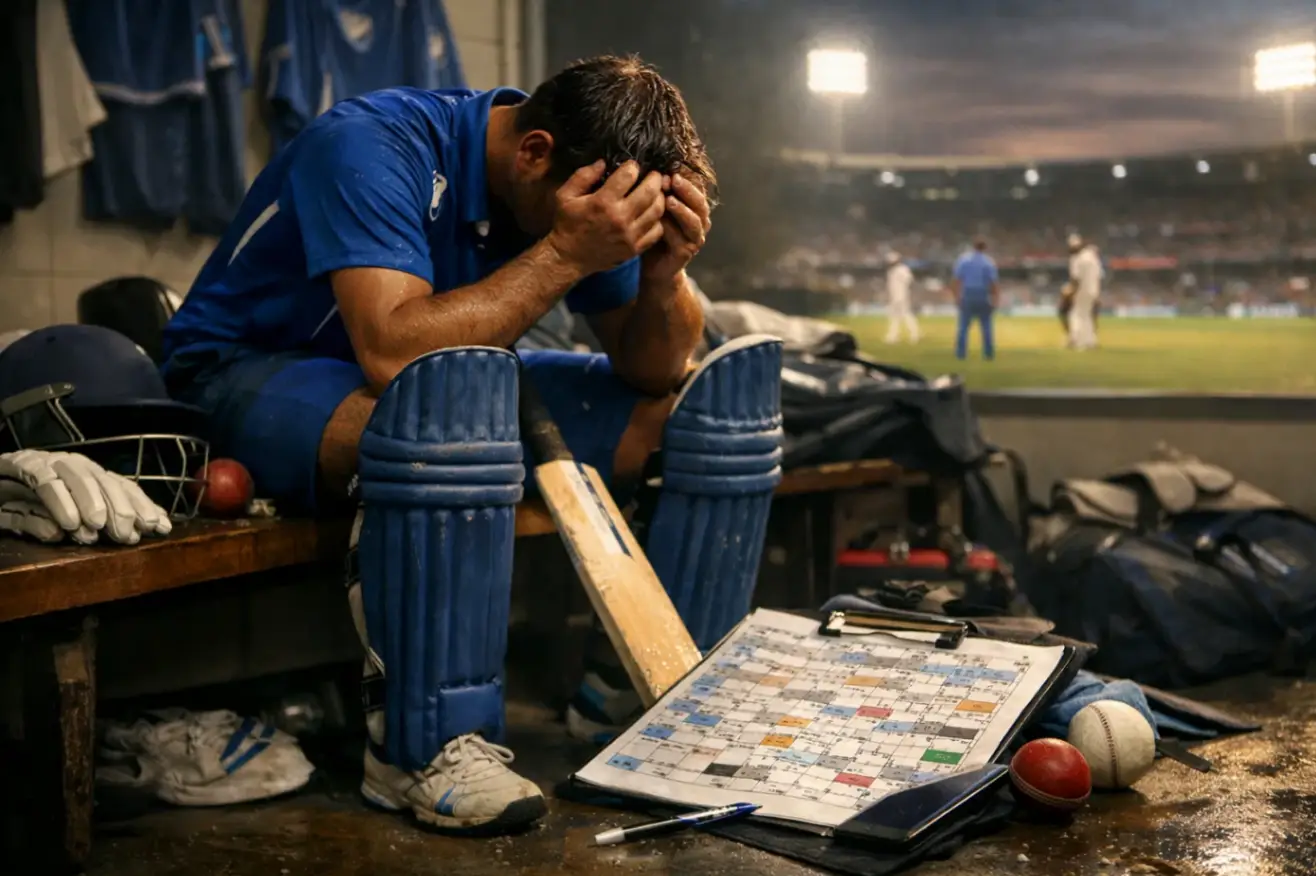
As the schedule becomes more demanding, the physical and mental toll on players becomes increasingly evident. IPL 2026 has already seen a rise in injury concerns, particularly among fast bowlers and key all-rounders.
The connection between workload and injury is well established in sports science. When players are exposed to continuous high-intensity activity without adequate recovery, the risk of muscle strains, stress fractures, and joint issues increases significantly.
Several key factors contribute to this trend:
- Reduced recovery time between matches.
- Increased travel leading to disrupted sleep cycles.
- High-intensity T20 gameplay requiring explosive movements.
- Limited opportunities for workload management.
- Pressure to perform in every match due to league competitiveness.
These elements create an environment where even the fittest athletes struggle to maintain peak condition. The mental aspect is equally important. Constant competition, media scrutiny, and the pressure of franchise expectations can lead to cognitive fatigue, affecting decision-making and reaction times.
Performance inconsistency has become more noticeable. Players who start the tournament strongly may struggle in later stages, not due to lack of skill, but because of accumulated fatigue. This has a direct impact on team results and overall tournament quality.
Franchises have started investing more in sports science teams, physiotherapists, and data analysts to monitor player health. Despite these efforts, the fundamental issue remains: the schedule itself leaves little room for meaningful recovery.
The situation also affects international cricket. Players returning from the IPL often carry fatigue or minor injuries into national duties, creating a ripple effect across the global cricket calendar.
Strategic Challenges for Teams and Coaches
The overload of fixtures has forced teams to rethink their strategies. Coaching staff are no longer focused solely on tactics and performance; they must also manage player workload, rotation, and recovery.
One of the biggest challenges is balancing consistency with freshness. Teams want to maintain a stable lineup to build chemistry, but they also need to rotate players to avoid burnout. This creates difficult decisions, especially when key players are involved.
Squad depth has become more important than ever. Franchises with strong bench strength are better equipped to handle the demands of IPL 2026. However, integrating new players into a high-pressure environment is not always straightforward.
Another strategic consideration is training intensity. Teams must carefully plan practice sessions to ensure players remain sharp without adding unnecessary strain. Recovery sessions, including physiotherapy, ice baths, and light workouts, have become a central part of daily routines.
Travel logistics also play a crucial role. Teams must manage time zones, flight schedules, and accommodation to minimize disruption. Even small inefficiencies can accumulate over the course of a long tournament.
Coaches are also dealing with increased data complexity. Monitoring player fitness, performance metrics, and fatigue levels requires advanced analytics. This has led to a more scientific approach to team management, but it also adds pressure on support staff to make accurate decisions in real time.
The compressed schedule leaves little margin for error. A single poor decision regarding player rotation or workload can have significant consequences for both individual performance and team results.
Fan Experience and Broadcast Pressures
While schedule overload primarily affects players and teams, it also has implications for fans and broadcasters. The IPL’s success is built on its ability to deliver high-quality entertainment consistently. However, an overly dense schedule can dilute that experience.
From a fan perspective, too many matches in a short period can lead to fatigue. The excitement of each game may diminish when there is little time to build anticipation. Key matches may overlap with other sporting events, dividing audience attention.
Broadcasting networks play a major role in shaping the schedule. Prime-time slots, weekend double-headers, and continuous coverage are designed to maximize viewership and advertising revenue. This creates a situation where commercial priorities influence scheduling decisions more than player welfare.
Digital platforms have further intensified this dynamic. With global audiences consuming content across different time zones, there is pressure to maintain a constant stream of matches. This benefits engagement metrics but contributes to the overall overload.
Interestingly, the abundance of content can also lead to selective viewing. Fans may choose to watch only high-stakes matches, reducing the impact of early-stage games. This shifts the narrative of the tournament and places additional pressure on teams to perform in crucial moments.
Despite these challenges, the IPL remains one of the most popular sporting events in the world. The key question is whether the current scheduling model can sustain this popularity in the long term without compromising quality.
Possible Solutions and the Future of IPL Scheduling
Addressing schedule overload requires a balanced approach that considers both commercial and sporting priorities. There is no simple solution, but several strategies could help alleviate the pressure.
One potential approach is optimizing the tournament window. Extending the duration of the IPL while reducing match frequency could provide players with more recovery time. This would require coordination with international cricket boards to avoid scheduling conflicts.
Another solution is stricter workload management. Implementing guidelines for player participation, especially for fast bowlers, could reduce injury risks. This may involve mandatory rest periods or limits on consecutive matches.
Franchises can also play a role by investing in squad depth and rotation strategies. Encouraging the use of bench players not only reduces workload on key individuals but also promotes talent development.
Technological advancements offer additional opportunities. Wearable devices and data analytics can provide real-time insights into player fitness, allowing teams to make informed decisions. However, these tools must be complemented by structural changes in scheduling.
Collaboration between stakeholders is essential. The BCCI, franchises, broadcasters, and international cricket bodies must work together to create a sustainable calendar. This includes aligning priorities and recognizing that long-term success depends on player welfare.
The future of the IPL will likely involve a more flexible and adaptive scheduling model. As the league continues to grow, finding the right balance between expansion and sustainability will be crucial.
Conclusion
Schedule overload has emerged as the defining challenge of IPL 2026. What was once a celebration of cricket has evolved into a complex ecosystem where performance, commerce, and logistics intersect.
The increased match density, combined with global cricket commitments, has created a demanding environment for players and teams. While the league continues to thrive commercially, the long-term impact of this overload cannot be ignored.
Finding solutions will require innovation, collaboration, and a willingness to adapt. The IPL has always been a pioneer in modern cricket, and its response to this challenge will shape the future of the sport.